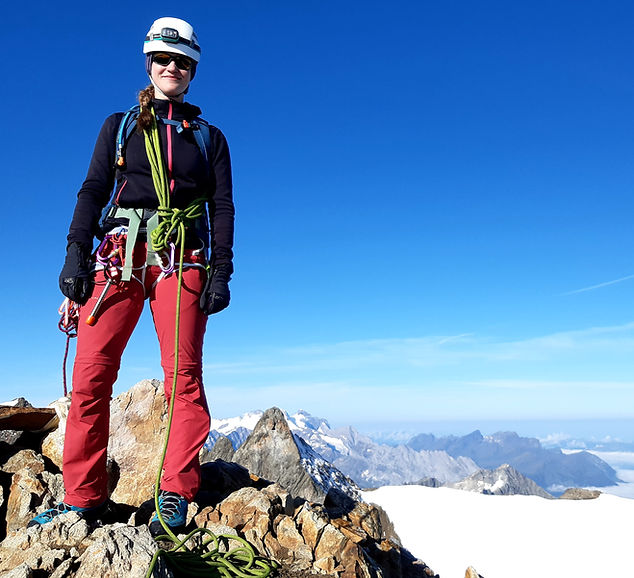

Planning a trekking expedition in Tajikistan’s Pamir Mountains? You’re in for one of the most breathtaking adventures on Earth. But before you lace up your boots and head for the high passes, one crucial question remains: What do you actually need to pack for a trek in Tajikistan?
Whether you’re joining a guided expedition or going semi-independent, having the right Tajikistan trekking gear is key to comfort, safety, and enjoyment. From sub-zero nights to sun-drenched valleys, the Pamirs are as demanding as they are stunning.
Here’s your complete packing list — based on years of experience trekking in the region. Wanna know what to pack specifically for one of our trips? Check out the trip pages, there are trip-specific, individual packing list ready for you to Download for each of them!

🎒 Essentials: Must-Have Gear for the Pamir Mountains
Backpack (60L - 80L)
The size heavily depends on the number of days you plan to be out, and if you're carrying your own food or not. If you're doing 10 days self-sustained, 70 - 80L is probably where you'll wanna be at. If you're only carrying your own gear, and no food, then you might get away with as little as 40 to 50L. In any case, make sure that whatever you bring is sturdy (those mountains are rough!), comfortable (your shoulders and hips will thank you) and comes with a rain cover.
Sleeping Bag
(comfort rated to at least -5°C, preferably lower) – Nights in the high altitudes can be very cold, even in summer. Depending on when you go and where, you may wanna opt for a 0F (-18°C) or warmer. Trust me, there's nothing as miserable as a multi-day backpacking trip where you're cold each night. If you can, test your sleeping bag in similar temps as you're expecting! I'm a cold sleeper, I need to substract 5 to 10C from any comfort rating for it to be realistic for me, so I end up carrying big sleeping bags. Other people I've met who sleep warm are the opposite, and can get away with saving more weight there.
Sleeping Pad
Inflatable with R-Value of min 3! Lower R-Values mean less insulation and trust me, you'll feel it. I've been using various versions of Therm-A-Rest pads with R-Values of 4.5 to 7.3, and I've been pretty happy with those. Bring a repair kit for the sleeping pad too!

Additions for when you are trekking independently:
Lightweight sturdy tent
3-season or 4-season, depending on where you are going. Make sure you can pitch on rock or difficult terrain if necessary. I personally have the Samaya 2.0, and genuinely believe it is the best lightweight 4-season 2-person tent on the market. It's expensive but worth every cent. It's a comfortable fit for one person, and a reasonable fit for two people if you don't mind giving up on the concept of personal space, and keeping your backpacks outside. That said, for your regular kind of trekking it may be overkill, and you can safely go with a cheaper option.
Cooker and Gas
I use a Primus Lite Plus cooker, and have been incredibly happy with it. Gas can be difficult to get in Tajikistan outside of Dushanbe! In Dushanbe, Green Hostel sells gas at a reasonable price. When coming from Kyrgyzstan, you'll have to buy your gas in Bishkek and take a shared taxi (as opposed to a flight) down to Osh, since getting gas (in large quantities) in Osh can be difficult. Make sure the gas you buy is compatible with the stove you have.
Cutlery / Utensils
I usually only bring a mug, and a spoon with a long handle. The food I cook either by dehydrating it in the bag directly simply with hot water, or cooking it in the primus itself.

🧥 Clothing: Layering Is Key
- Base Layers – Moisture-wicking tops & bottoms (merino wool or synthetic). Bring one warm base layer (for cold nights or very cold mornings), and one cool base layer to hike in (think sun hoody or similar!)
- T-Shirt - An extra sun shirt or a short-sleeved shirt for hot days
- Insulation Layer – Fleece or soft-shell
- Warm Layer - warm down jacket. If you're prone to being cold, consider bringing an additional summit down for evenings / mornings in camp
- Outer Shell – Waterproof, windproof jacket (and pants as well, if you want to and have the space)
- Trekking Pants – Quick-dry fabric.
- Warm Hat & Gloves – Essential even in July!
- Sun Hat & Buff – For sun and dust protection.
- Socks (x2–4 pairs) – Wool or synthetic trekking socks.
- Underwear (x2–4 pairs) – Quick-dry and breathable.

🍽️ Food & Water
(If on a guided trek, most food is provided — you'll only need snacks. If you're going independent, then obviously this is an entirely different ballgame. Look out for a Blog Post on that soon!)
- Snacks (nuts, dried fruit, energy bars) – Whatever you like to bring on a trek!
- Water Bottles (min. 2x 1L bottle) - if you're tempted to bring a bladder, make sure to check out the temperature ranges first. Bladders are great, but unless you're bringing an insulated one, they tend to freeze in cold temperatures, leaving you unable to drink from the mouthpiece. I do bring a bladder but without the mouthpiece, simply to use as a water reservoire at camp.
- Water Purification Tablets or Filter – Tablets, Grayl, etc. are all good options. We don't recommend a lifestraw since it limits you to one liter of water and no option to produce clean water for cooking or similar. UV devices are fine too, but the batteries can act up in cold temperatures, so be mindful of that.

🛠️ Other Essentials
- Headlamp (plus spare batteries or charger!)
- Microspikes
- Trekking Poles – Even if you don't hike with poles usually, I would stronlg recommend bringing a pair! Rivers, technical rock, and steep snow are almost impossible to traverse without, and there's plenty of that in the Pamir.
- Sunglasses (UV protection)
- Sunscreen & Lip Balm (SPF 50)
- First Aid Kit (with altitude meds if needed)
- Toiletries (biodegradable soap, toilet paper, wet wipes, female hygiene products) - if you are a women and wondering about what to best bring - I've gotcha!
- Towel (microfiber travel towel)
- Dry Bags / Ziplocks – For electronics and to organize things.
- Passport / Cash / Cards - bring a VISA credit card with a 4-digit pin! I know this is oddly specific, but trust me, you will otherwise have a incredibly hard time accessing ATMs
- VISA / Permits - so, the Visa and Permit situation in Tajikistan is worth an entire blog post of it's own. In short though: If you can, the best and safest option is to apply for an E-Visa with a GBAO permit included, print several copies of that, and bring that with you. If you plan to cross to Kyrgyzstan via the M41 / Kyzyl-Art, you must apply to Kyrgyz Tourism Department for permission to cross the border (nowadays this is outsourced to private tour companies like Destination Osh, and costs about 15 USD. If you are on a tour with us, we will do this for you). If you do not have an E-Visa, but have been staying in Tajikistan for more than 10 days, you need a registration slip from the OVIR in Dushanbe. They will ask for this when you leave the country. Dushanbe is not in the Pamir, it's a solid 2 to 3 days worth round trip to the west, which is the reason e-Visas are mandatory on our trips.

📱 Optional but Nice to Have
- Power Bank / Solar Charger
- GPS Watch
- Camping Pillow (inflatable)
- Notebook / Travel Journal / E-Book reader
- Camera or GoPro
- Cards / Games
- Garmin InReach Mini or other Sat Device - if you are planning to trek independently, I cannot recommend you enough to get one. This device may very well have saved our lifes on one occassion, and has offered irreplacable mental peace of mind going into almost every long-distance trek I have been on to myself, and my loved ones.

🏁 Final Thoughts
Packing for a multi-day trek in Tajikistan doesn’t have to be overwhelming.
Focus on the essentials, plan for variable weather, and don’t underestimate the altitude. With the right gear and a bit of preparation, you’ll be free to enjoy what really matters: jaw-dropping landscapes, the rhythm of the trail, and the incredible sense of peace that only comes with being far from everything.
Want to skip the logistics and just focus on the adventure? 👉 Join one of our fully guided expeditions in the Pamirs — we take care of everything so you can trek with confidence.